Cold Storage
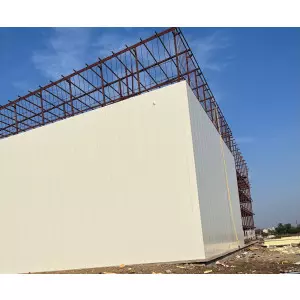
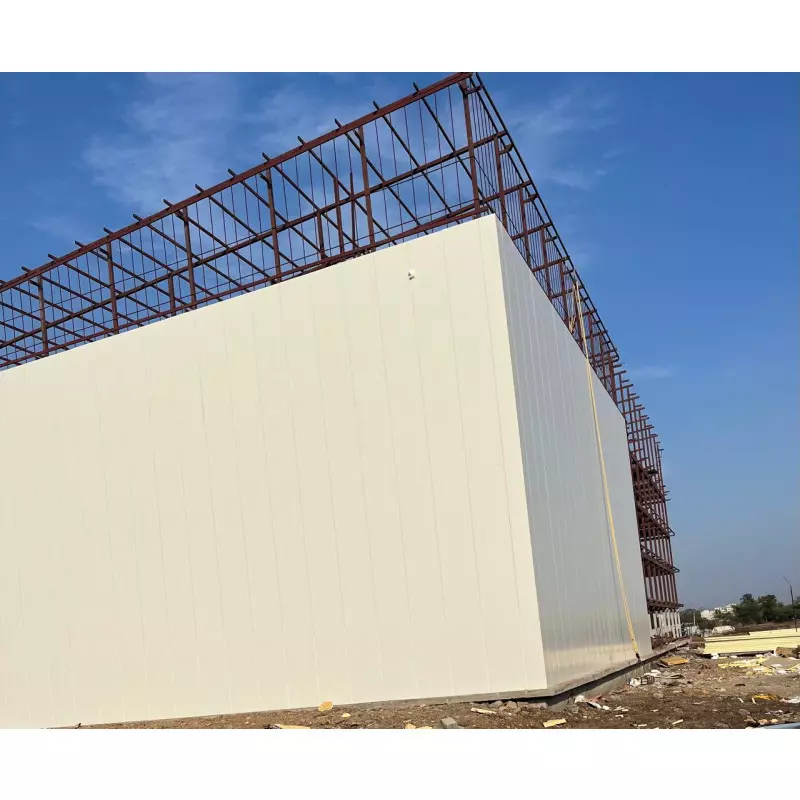
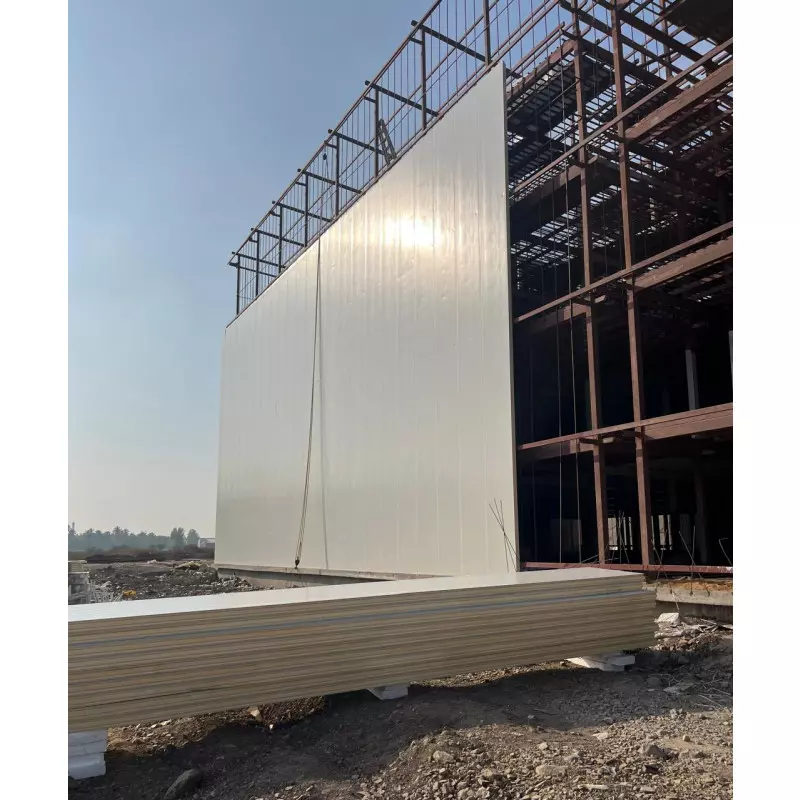
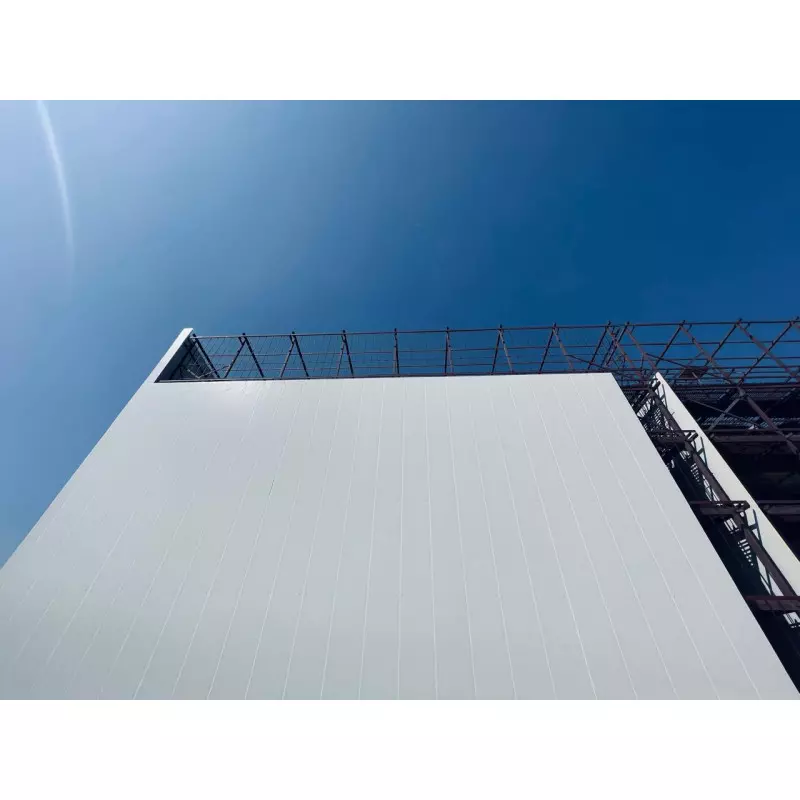
Cold Storage Details
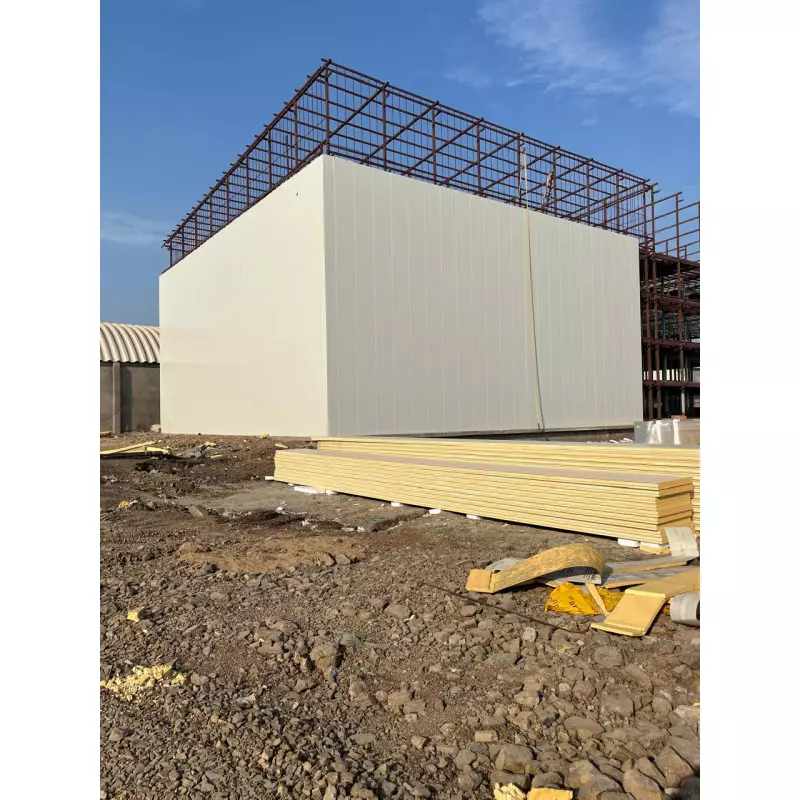
Cold storage in Kenya can’t be treated as a standard build. Ambient temperature changes, loading frequency, product type, and power conditions all affect how the plant should be planned. We work around these actual site conditions before finalizing any Cold Storage system. That saves trouble later, especially when daily load starts increasing.
We manufacture and supply Cold Storage setups for food handling, dairy units, agricultural produce, meat storage, and commercial distribution. Capacity can be planned for small holding rooms or large multi-chamber facilities. We use insulated panel construction with proper thickness selection based on target temperature. Cooling equipment is matched with the expected pull-down time, not only storage volume.
Beyond that, internal circulation matters more than many buyers expect. Uneven cooling creates stock loss even when the machine is running. We arrange airflow, evaporator placement, and door sealing carefully so stored material stays stable across the room.
Each Cold Storage unit is checked for temperature hold, defrost cycle, and operating balance before handover. We also support installation and system setup in Kenya so the plant starts working under actual site conditions, not only workshop assumptions.
Related Products
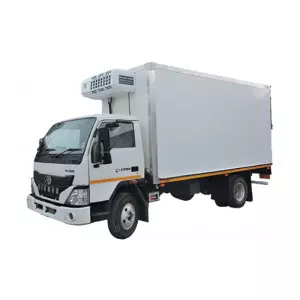
Refrigerated Van
Transport cooling usually fails when insulation and refrigeration are treated as separate parts. In actual use, both hav... Continue
Refrigeration System
A refrigeration plant starts giving trouble when components are selected only by catalog rating. On site, actual load be... Continue

Clean Room
Clean room performance usually depends on small details that many projects ignore at the beginning. Air movement, panel ... Continue
Blast Room
Fast temperature reduction is where many cooling setups begin to struggle. A standard storage room can’t handle th... Continue
Cold Room Sliding Door
A cold room often loses efficiency from one weak point — the door. If sealing is poor or movement becomes hard aft... Continue