Refrigerated Van
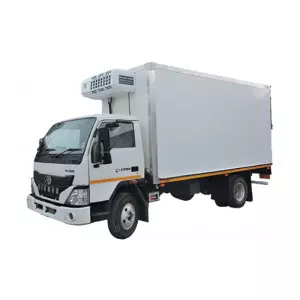
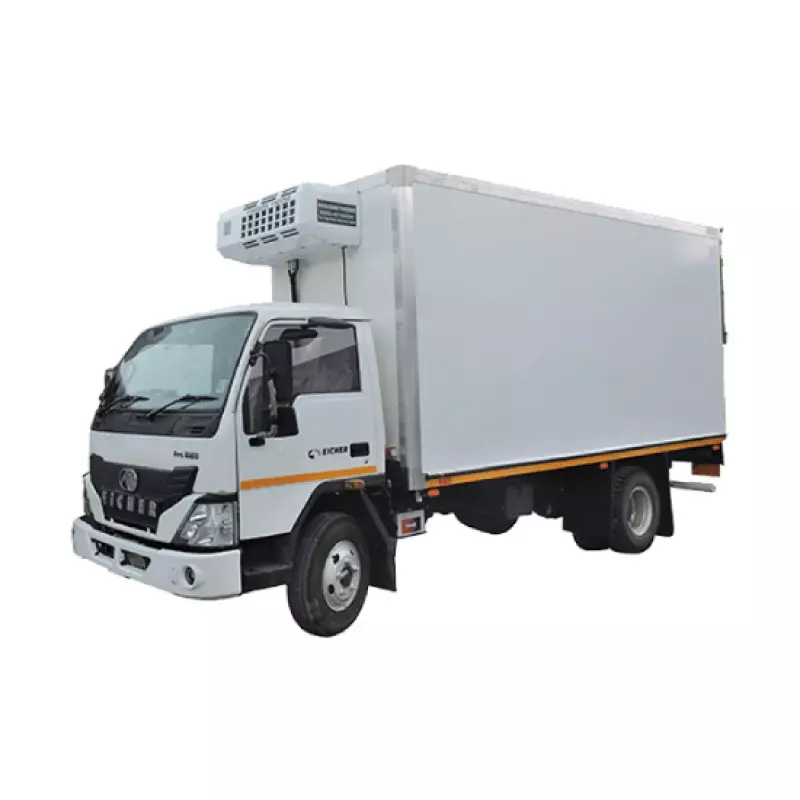
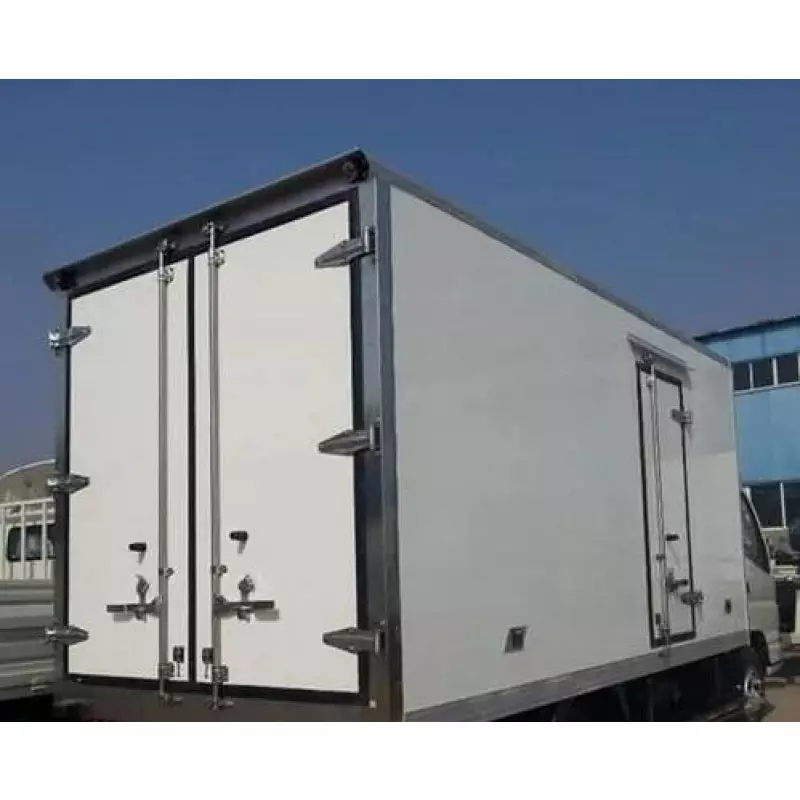
Refrigerated Van Details
Transport cooling usually fails when insulation and refrigeration are treated as separate parts. In actual use, both have to work together every hour on the road. We manufacture and supply Refrigerated Van units in Kenya with that exact point in mind, so temperature stays controlled during loading, transit, and delivery.
Our Refrigerated Van bodies are built with insulated panel construction that limits outside heat entry even in long travel conditions. Internal temperature is planned according to the product being moved, whether it is dairy, frozen food, meat, pharmaceuticals, or fresh produce. Cooling units are selected after checking route distance, door opening frequency, and required holding range.
We also pay attention to body strength because road movement creates constant vibration. Weak joints start showing problems early. Panel fitting, floor strength, and door sealing are handled carefully so cooling loss doesn’t increase after regular use. Air circulation inside the van is also balanced to avoid warm pockets near the rear section.
Each Refrigerated Van is supplied with proper refrigeration integration, electrical setup, and tested temperature performance. In Kenya, these vehicles are used where product safety depends on steady cooling from dispatch point to final unloading.
Related Products
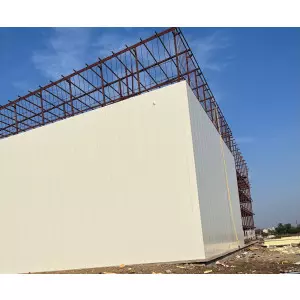
Cold Storage
Cold storage in Kenya can’t be treated as a standard build. Ambient temperature changes, loading frequency, produc... Continue
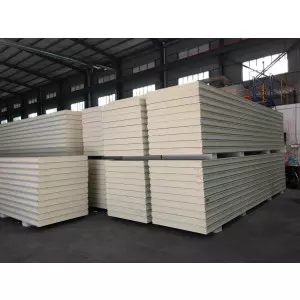
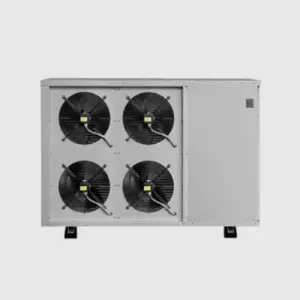
Refrigeration System
A refrigeration plant starts giving trouble when components are selected only by catalog rating. On site, actual load be... Continue

Clean Room
Clean room performance usually depends on small details that many projects ignore at the beginning. Air movement, panel ... Continue
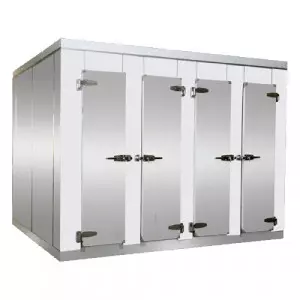
Blast Room
Fast temperature reduction is where many cooling setups begin to struggle. A standard storage room can’t handle th... Continue
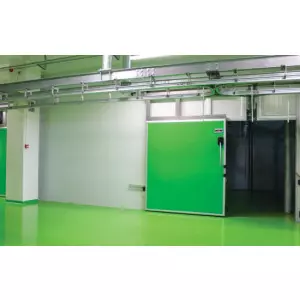
Cold Room Sliding Door
A cold room often loses efficiency from one weak point — the door. If sealing is poor or movement becomes hard aft... Continue